
The frame comes first
Social platforms are very good at teaching photographers to think backwards. Before the picture exists, we are already imagining the crop, the carousel, the Reel cover and the space for text. That can be useful for commissioned content, but it is a terrible rule for every photograph.
Some scenes ask to be vertical. Others only make sense when they breathe horizontally. Sometimes the strongest composition is awkward for a phone screen and completely right for the memory.
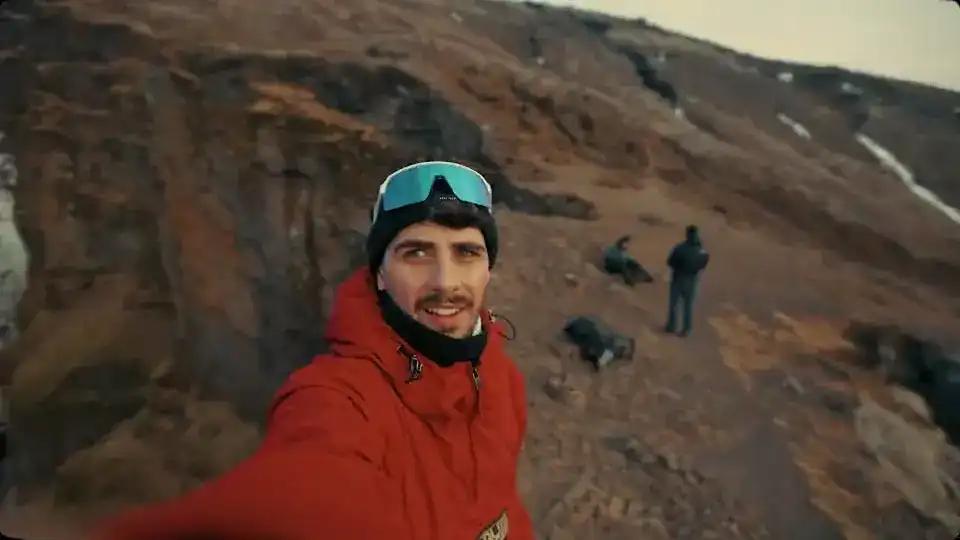
Photographs are also memory
I photograph because I want to remember how a place felt: the distance between two mountains, the empty space around a person, the light before weather changes. Cropping can improve an image, but cropping only because a platform prefers a ratio can remove the thing that made the photograph worth taking.
The useful question is simple: if the platform disappeared tomorrow, would I still want this frame exactly as it is?
Platforms keep changing
Formats change faster than photographs do. A picture made carefully can outlive a feed layout, an algorithm update or a trend cycle. That is why I would rather create a body of work first and adapt selected images second.
The same principle applies to brand work. I will deliver vertical assets when the campaign needs them, but the production should still contain photographs that stand on their own outside the campaign.
What this changes in practice
I now separate capture from distribution. On location I look for the strongest photograph. During the edit I decide how that story travels across print, web, social and video. The image leads. The format follows.
That approach is slower than chasing every trend, but it creates work I am much more likely to still care about years later.
This essay grew from a field note originally shared on Instagram @watchmaev. The Journal version expands the idea beyond the caption and into the wider photographic process.